“identify coffee beans” search results (2000)

The taste of black coffee where does the bitter taste of coffee come from
Adding some milk and sugar to a steaming cup of coffee is a sign that many people start a new day. Although this is done to reconcile the bitterness of the drink, the reason why coffee makes us frown has puzzled scientists for decades. Now, by identifying two compounds related to the bitter taste of coffee, whether mild breakfast coffee or Italian espresso,
2014-12-10 Coffee taste bitterness where to come one cup steaming hot coffee medium plus some beef
Coffee technology coffee roasting Roasting Skills training
SCAE has officially rescheduled the baking course, changing the previous Level1 and Level 2 to three levels: [Foundation Junior] [Intermediate Intermediate] [Professional Advanced]. [Foundation Primary] objective: to understand the basic knowledge of raw coffee beans; to understand the basic knowledge of roasting utensils and roasting processes; and to perform roasting according to a predefined roasting plan.
2015-01-09 Coffee technology roasting Roasting Skills training SC
Coffee beans common sense how to tell the true from the fake Kopi Luwak
Today, I heard a friend talk about civet coffee beans? Chongqing Brista Coffee West Point College is here to popularize how to identify the real Kopi Luwak! There are two kinds of animals on the market that produce Kopi Luwak, masked palm civet and civet! So are masked palm civet and civet the same animal? In this affirmative answer, the two are not the same animal, although both belong to the cat family, but masked palm civet only smelly glands, and musk deer
2015-01-08 Coffee beans common sense how to tell the true from the false cat shit coffee today heard my friend
Introduction to the characteristics of the method of describing the Flavor of Coffee in the Goddess Manor of Costa Rica
S.H.B. It is a very hard bean with an altitude of more than 1500 meters above sea level, which means high quality Costa Rican coffee. Altitude has always been a problem for coffee growers. The higher the altitude, the better the coffee beans, not only because the higher altitude can increase the acidity of the coffee beans and thus increase the flavor, but also because the night temperature at the higher altitude is lower, which can make the trees grow slowly.
2016-10-12 Costa Rica goddess manor coffee flavor description grinding treatment characteristics
How to distinguish the quality of ESPRESSO
Coffee, what is it? A drink, a carrier of taste, a way to feel the details of life.
2014-06-13 Coffee knowledge Espresso Coffee Encyclopedia
Coffee beans knowledge defective beans have a great influence on the taste of coffee.
The first step before baking beans is to pick out all kinds of defective beans, some of which are not easy to identify after baking. At present, there are some high-quality coffee raw beans on the market, which are carefully selected and processed when they leave the factory. The following picture shows the types and causes of defective beans.
2015-01-14 Coffee beans knowledge defects coffee taste influence especially beans before first
Coffee Roasting for the First Time (1) Defective Beans
The first step before roasting beans is to pick out all kinds of defective beans. Some defective beans are not easy to identify after roasting. There are some fine green coffee beans on the market that have been carefully selected and processed at the time of delivery. The following picture shows the types and causes of defective beans
2014-10-11 Coffee knowledge Coffee roasting Coffee defective beans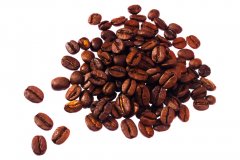
Coffee processing sun-dried bean flavor Ethiopia Sidamo Sidamo Guji Shaqi
Tanning is a traditional method for the initial processing of coffee beans, and at present, almost all coffee-growing countries such as Ethiopia and Yemen still use solarization to treat raw beans. Sun treatment will first identify sunken beans in the sink, that is, ripe or half-ripe beans are spread in the drying farm for natural drying. The specific time depends on the local climatic conditions, which usually takes two to four weeks.
2016-04-14 Coffee processing way Solar beans Flavor Ethiopia Dharma Sid
How to distinguish the quality of ESPRESSO
When you enjoy a cup of coffee packaged by various cultures in a cafe for tens of yuan, have you ever thought about and learned to identify whether you are drinking a perfect cup of coffee?
2014-05-20 Coffee knowledge to identify the quality of ESPRESSO
Coffee harvest time manually picked coffee beans
The vast majority of coffee is hand-picked. In order to ensure the quality of coffee, the picker needs to identify which fruits are suitable for harvest and pick them from the trees one by one, which takes a lot of energy and time. In this era of technology, such a human hand work is precious. (Due to different planting areas, the receiving time will also change)
2016-05-06 coffee harvest time manual picking coffee beans vast majority via
The quality and flavor of Costa Rican coffee
It is also very beneficial to the growth of coffee trees. However, while there are many advantages to growing coffee at higher elevations, the resulting additional transport costs must be taken into account, which is likely to make coffee production unprofitable. The coffee industry in Costa Rica has adopted new technologies to increase efficiency, including the use of electric eyes to select beans and identify coffee beans of irregular size. this
2016-06-02 Costa Rica coffee quality flavor growth very favorable however
Coffee Encyclopedia knowledge Fair Trade (Fairtrade) Coffee
The purpose of Fairtrade certification is to enable people to identify that goods imported from the third World (coffee beans, cocoa beans, etc.) meet the following criteria: environmental protection, labour human rights and the development interests of the third World. This certification system carries out independent examination and certification for producers. Companies that sell Fairtrade goods must also meet the standards and apply to become licensed sellers before they can use the public on the goods.
2014-10-11 Coffee knowledge coffee encyclopedia Fairtrade coffee
Boutique coffee organization Fair Trade (Fairtrade) Coffee
The purpose of Fairtrade certification is to enable people to identify that goods imported from the third World (coffee beans, cocoa beans, etc.) meet the following criteria: environmental protection, labour human rights and the development interests of the third World. This certification system carries out independent examination and certification for producers. Companies that sell Fairtrade goods must also meet the standards and apply to become licensed sellers before they can use the public on the goods.
2015-01-14 Boutique Coffee Organization Fair Trade Fairtrade
Introduction of Coffee Flavor and Taste characteristics of Coffee in Chateau Saint-Roman, Costa Rica
S.H.B. It is a very hard bean with an altitude of more than 1500 meters above sea level, which means high quality Costa Rican coffee. Altitude has always been a problem for coffee growers. The higher the altitude, the better the coffee beans, not only because the higher altitude can increase the acidity of the coffee beans and thus increase the flavor, but also because the night temperature at the higher altitude is lower, which can make the trees grow slowly.
2016-10-17 Costa Rica Roman Manor Coffee Flavor Taste characteristics varieties producing areas
Pacas (Pacas)
Pacas (Pacas): a variety of bourbon found in El Salvador. In 1935, Salvadoran coffee farmer Pacas selected high-capacity varieties of San Ramon bourbon (San Ramon bourbon) to be planted on farms. In 1956, a friend found that the amount of bourbon in his farm was higher than that of the same kind of coffee tree, so he asked a professor from the University of Florida to identify it and confirm that the bourbon had a genetic mutation.
2014-06-30 Pacas (Pacas) Pacas (Pacas) coffee beans fine coffee beans
Differences between Arabica coffee beans and bourbon coffee beans
The well-known Arabica species (the main force of boutique coffee) and Robasta species (slightly rough flavor, more suitable for commercial use), Arabica was first identified in 1735 by the Swedish botanist Linnai, more than 100 years earlier than Robasta. There are 2, 000 to 3, 000 varieties under Arabica, all from the oldest iron pickup (Typica) in Ethiopia (the birthplace of coffee).
2016-04-22 Rabbi coffee beans pickups varieties ancient native well-known rabbi card species
Sun treatment of Primary processing of Fine Coffee beans
Tanning is a traditional method for the initial processing of coffee beans, and at present, almost all coffee-growing countries such as Ethiopia and Yemen still use solarization to treat raw beans. Sun treatment will first identify sunken beans in the sink, that is, ripe or half-ripe beans are spread in the drying farm for natural drying. The specific time depends on the local climatic conditions, which usually takes two to four weeks.
2014-11-14 Coffee knowledge boutique coffee beans processing sun drying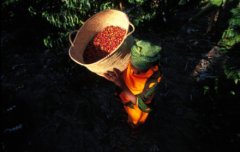
The method of taking beans from the processing of Coffee beans
Tanning is a traditional method for the initial processing of coffee beans, and at present, almost all coffee-growing countries such as Ethiopia and Yemen still use solarization to treat raw beans. Sun treatment will first identify sunken beans in the sink, that is, ripe or half-ripe beans are spread in the drying farm for natural drying. The specific time depends on the local climatic conditions, which usually takes two to four weeks.
2015-03-16 Coffee beans processing extraction methods solarization treatment tradition coffee beans beginning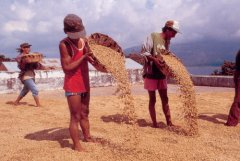
A brief introduction to the treatment of raw coffee beans
Tanning is a traditional method for the initial processing of coffee beans, and at present, almost all coffee-growing countries such as Ethiopia and Yemen still use solarization to treat raw beans. Sun treatment will first identify sunken beans in the sink, that is, ripe or half-ripe beans are spread in the drying farm for natural drying. The specific time depends on the local climatic conditions, which usually takes two to four weeks.
2014-09-23 Coffee knowledge coffee bean treatment tanning method
The method of taking beans in the sun for the first processing
Tanning is a traditional method for the initial processing of coffee beans, and at present, almost all coffee-growing countries such as Ethiopia and Yemen still use solarization to treat raw beans. Sun treatment will first identify sunken beans in the sink, that is, ripe or half-ripe beans are spread in the drying farm for natural drying. The specific time depends on the local climatic conditions, which usually takes two to four weeks.
2014-09-29 Primary processing of coffee beans sun treatment